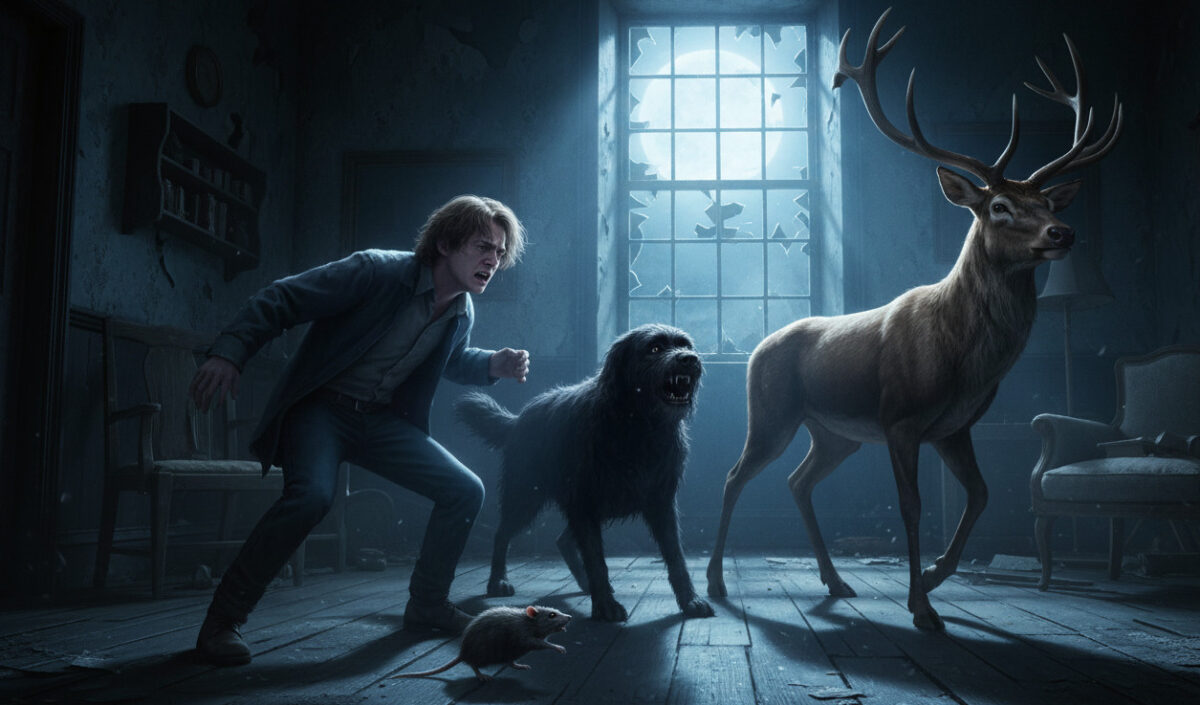
One area many hope the new show will finally get right is the full story of the Marauders—James Potter, Sirius Black, Remus Lupin, and Peter Pettigrew—whose layered history got heavily trimmed in the original eight films.
The books dedicate significant page time to revealing who these four friends really were, how they created the Marauder’s Map, and why their relationships fractured so tragically. The movies, constrained by runtime, reduced much of this to brief mentions or single scenes.
The Creation of the Marauder’s Map
In Prisoner of Azkaban (book), we learn the Map was crafted during the Marauders’ school years as an act of mischief and loyalty—specifically to help Remus navigate Hogwarts safely during full moons. The four spent years perfecting the charms, with the famous insult “I solemnly swear that I am up to no good” reflecting their playful arrogance.
The film shows Harry receiving the Map from Fred and George with almost no explanation of its origins. The Marauders’ nicknames—Moony, Wormtail, Padfoot, and Prongs—appear only as signatures when Snape examines it, leaving most viewers unaware of their meaning until much later.
Remus Lupin’s Full Backstory and Acceptance
Rowling devotes chapters to showing how James, Sirius, and Peter illegally became Animagi in fifth year to keep Remus company during transformations—a profound act of friendship that took three years of secret study. This explains why Remus never exposed Sirius after the Potters’ deaths; he knew his friends too well to believe Sirius capable of betrayal.
The movie condenses this into a single fireside conversation in the Shrieking Shack. Crucially, it skips the emotional weight of the group spending full-moon nights roaming the grounds together as a stag, dog, rat, and werewolf.
James Potter’s Character Arc
Books portray young James as arrogant but ultimately redeemable—he grows out of bullying Snape partly because Lily demands it. We see this through Snape’s Worst Memory in Order of the Phoenix, balanced by Sirius and Remus later defending James’s maturity in his final years.
Films lean heavily on the bullying scene without the later context, making James appear more one-dimensional. His growth and heroism only come through secondhand dialogue, robbing audiences of understanding why Lily chose him.
Peter Pettigrew’s Betrayal Depth
The books build Peter’s cowardice gradually: he’s the least talented of the group, often relying on others for protection. His decision to turn to Voldemort stems from fear rather than pure evil, making his betrayal tragically believable.
In the films, Scabbers-to-Peter reveal happens quickly in Prisoner of Azkaban, with little buildup to his motivations. The crucial detail that Peter was Secret-Keeper (not Sirius) gets rushed, reducing the shock of how thoroughly the Marauders’ circle was broken.
Missing Flashbacks and Connections
Perhaps the biggest loss: the books include extended Pensieve memories showing the Marauders in their prime—laughing in the corridors, creating mischief, supporting each other. These moments make Sirius’s imprisonment and Remus’s isolation far more heartbreaking.
The new HBO series, with its season-per-book format, finally has room to include these scenes properly. Early reports suggest expanded flashbacks are planned, potentially giving viewers the complete Marauders story Rowling intended from the start.
Until then, returning to the books reminds us why this quartet remains one of the most beloved and tragic friendships in literature—flawed, loyal, and ultimately shattered by choices that echoed for generations.
About The Author